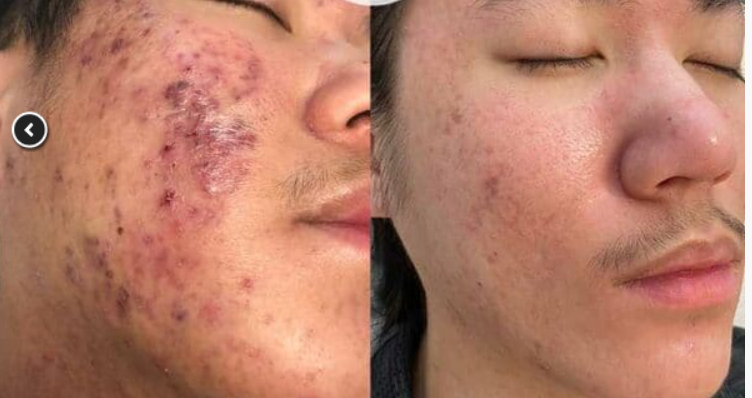
Acne Treatment
An Integrative Western & TCM Approach by Lulu
Struggling with acne? Have you seen a dermatologist, taken acne medications, and then stopped because your skin became extremely dry, irritated, or uncomfortable?
Effective acne management requires a combination of diligent home care and professional medical intervention, as most prescription treatments—including topical retinoids like Retin-A (tretinoin), Differin (adapalene), and Arazlo (tazarotene), or topical antibiotics like Clindoxyl (clindamycin/benzoyl peroxide)—work by reducing oil production and inflammation but often require four to eight weeks to show results. While mild cases may respond to over-the-counter products containing benzoyl peroxide or salicylic acid (like Clean & Clear or CeraVe Acne Control) and lifestyle adjustments like using noncomedogenic cosmetics, more persistent acne may necessitate oral antibiotics such as Apprilon (doxycycline) or Minocin (minocycline). For women, hormonal therapies like Yaz or Yasmin and the anti-androgen Aldactone (spironolactone) are common, while severe cases may require Epuris or Accutane (isotretinoin). This potent vitamin A derivative is reserved for severe recalcitrant nodular acne and requires strict medical monitoring and signed informed consent regarding pregnancy risks. Clinical procedures such as light therapy, and chemical peels using glycolic acid, can further assist in clearing the skin and minimizing permanent atrophic or hypertrophic scarring. To ensure safety, Canadians should consult a dermatologist to navigate risks—especially during pregnancy where Finacea (azelaic acid) is a preferred prescription option—maintain a consistent twice-daily cleansing routine, and protect sun-sensitive skin to prevent long-term damage.
However, many people experience short-term improvement followed by sensitivity, peeling, or rebound breakouts.
Oral acne medications, in particular, may come with systemic side effects and often do not address the underlying causes of acne.
This is why a more balanced, integrative approach is needed.
Understanding Acne – A Western Medicine Perspective
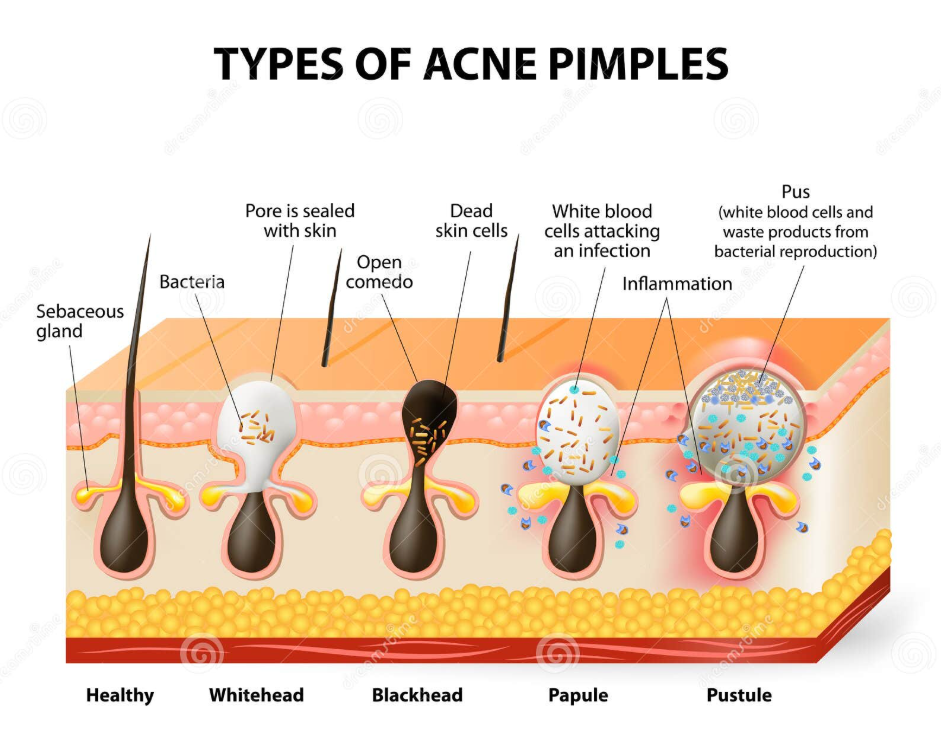
-From a Western medical perspective, acne develops due to a combination of:
• Excess sebum (oil) production
• Blocked pores caused by dead skin cell buildup
• Overgrowth of acne-causing bacteria
• Inflammation
• Hormonal fluctuations
Conventional treatments often focus on suppressing oil production or bacteria.
While effective for symptom control, aggressive approaches may compromise the skin barrier, leading to dryness, sensitivity, and recurring acne once treatment stops.
Hormonal & Cycle-Related Acne (Women & Men)
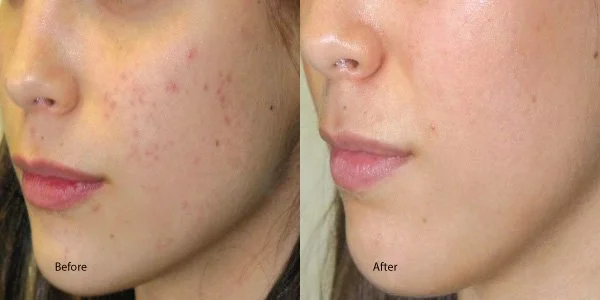
Hormonal fluctuations play an important role in acne for both women and men.
In women, acne may worsen before the menstrual cycle, often linked to changes in estrogen and progesterone levels. This commonly presents as:
• Jawline or lower-face breakouts
• Inflammatory or cystic acne
• Monthly recurring patterns
In men, hormonal acne is often related to:
• Higher androgen activity
• Stress-related hormonal shifts
• Inflammation and excessive oil production
From a TCM perspective, hormonal acne in both genders may involve:
• Liver Qi stagnation
• Heat accumulation
• Digestive and metabolic imbalance
• Disrupted circulation
Because hormonal acne often follows patterns and cycles, surface-level treatments alone are rarely sufficient.
Lulu’s Integrative Acne Treatment Approach
This approach combines Western medical understanding with TCM diagnostic principles to create a personalized treatment plan for each individual.
Treatment may include:
• Acupuncture to help regulate hormones and reduce inflammation
• TCM-based internal balancing (herbal therapy when appropriate)
• Facial acupuncture to support circulation and skin repair
• Lifestyle and dietary guidance to support internal balance
• Professional skincare recommendations that protect and restore the skin barrier
The goal is to improve acne without over-drying the skin, while supporting overall health and long-term skin resilience.