
TCM Treatment
TCM (Traditional Chinese Medicine) treatments aim to restore the body's balance (Qi) using holistic methods like acupuncture, herbal medicine, cupping, moxibustion, and Tui Na massage, addressing root causes rather than just symptoms. Practitioners diagnose through tongue/pulse checks, then use these techniques, sometimes alongside dietary advice and movement exercises (like Tai Chi), for chronic pain, colds, digestive issues, and more, often complementing Western medicine.
02
Dermatological
Conditions
01
Gynecological
Health
03
Pain
Management
04
Sleep
Disorder
Gynecological health
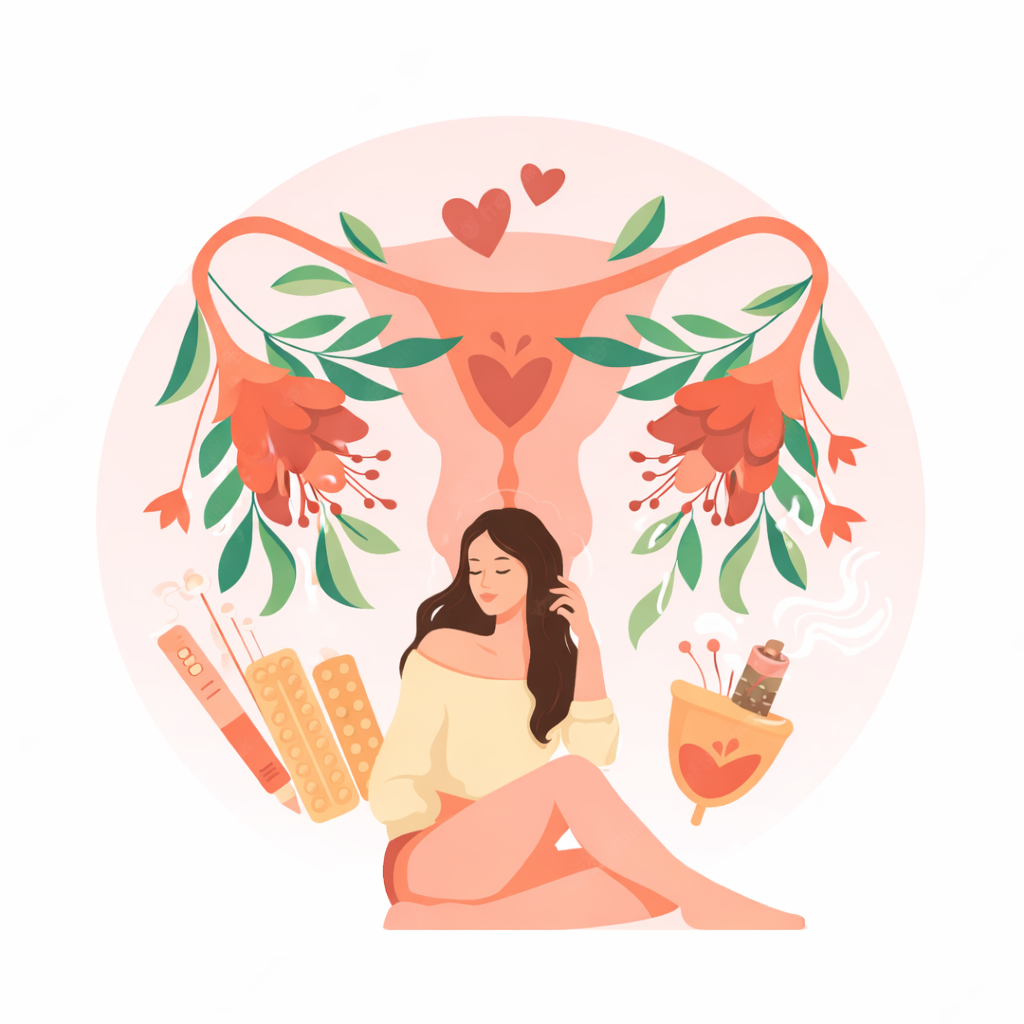
Gynecological health focuses on the well-being of the female reproductive system (uterus, ovaries, vagina, breasts) from puberty through menopause, covering preventive care (Pap tests, STI checks, cancer screenings, vaccines) and managing conditions like endometriosis, PCOS, fibroids, menstrual issues, menopause symptoms, fertility, and infections, often by specialists called gynecologists (or OB-GYNs) who provide comprehensive care for sexual and reproductive health.
-
Menstrual disorders are problems affecting the monthly cycle, ranging from heavy bleeding (menorrhagia) or painful cramps (dysmenorrhea) to missed periods (amenorrhea) or severe PMS/PMDD, impacting daily life and fertility. Common types include abnormal bleeding, absent periods, cramps, PMS, PMDD, and issues like PCOS or fibroids, often caused by hormonal imbalances, stress, or underlying conditions. Treatments vary but can involve lifestyle changes, medication, or addressing the root cause, requiring a doctor's diagnosis.
-
Dysmenorrhea is the medical term for painful menstrual cramps, common in lower abdomen, back, and thighs, caused by uterine contractions, and classified as primary (no underlying issue, linked to prostaglandins, common in teens) or secondary (due to conditions like endometriosis, fibroids). While mild pain is normal, severe, activity-disrupting pain needs attention, with treatments ranging from OTC pain relievers and heat to lifestyle changes (exercise, diet, stress relief) and addressing underlying causes.
-
PMS (Premenstrual Syndrome) and PMDD (Premenstrual Dysphoric Disorder) both involve cyclical symptoms before a period, but PMDD is a severe form of PMS with debilitating emotional/behavioral symptoms (like intense depression, anxiety, irritability) that severely disrupt daily life, whereas PMS symptoms are typically milder and more focused on physical discomfort like bloating, cramps, and fatigue, though both involve mood changes. PMDD requires specific diagnostic criteria (5+ symptoms including mood ones) and often needs medical intervention, while PMS can often be managed with lifestyle changes.
-
Fertility support involves a multi-faceted approach combining medical treatments (like IVF, IUI), lifestyle changes (diet, avoiding toxins, healthy habits), mental health support (counseling, support groups), and financial aid, with Ontario offering specific funding and tax credits for eligible residents to access reproductive care and manage costs. Key resources include government programs, clinics, naturopathic options, and non-profits like Fertility Matters and RESOLVE https://www.fertilitymatters.ca/ and, all aiming to help individuals navigate their path to parenthood.
-
Menopause is the natural, permanent end of menstruation, officially marked after 12 consecutive months without a period, signaling the end of reproductive years due to declining ovarian hormones (estrogen, progesterone). It typically occurs around age 51 but can range from 45-55, with symptoms like hot flashes, night sweats, sleep issues, mood changes, and vaginal dryness often starting during the transitional phase (perimenopause). While a normal life stage, symptoms can be managed with lifestyle changes or medical treatments like hormone therapy.
-
A healthy uterus means regular, manageable periods, clear discharge, and no severe pelvic pain, supported by a balanced diet (whole grains, fruits, dairy), regular exercise, adequate hydration, good sleep, and stress management, plus routine gyno checkups like Pap smears to prevent issues like fibroids or infections.
Dermatological conditions
Dermatological conditions are diseases or disorders affecting the skin, hair, and nails, ranging from common issues like acne, eczema (dermatitis), psoriasis, and rosacea to more serious problems like skin cancer (melanoma) or autoimmune conditions such as vitiligo and alopecia areata, often causing symptoms like itching, redness, rashes, or lumps. These conditions can stem from genetics, infections, immune system issues, environmental triggers, or underlying illnesses like diabetes, impacting quality of life and requiring proper diagnosis and treatment from a dermatologist.
-
Clogged pores, often with inflammation, redness, and pimples, affecting many adolescents and adults.
-
Skin inflammation causing redness, itching, dryness, and irritation, with atopic dermatitis being a common type.
-
Autoimmune condition causing thick, red, scaly patches, sometimes painful or hot.
Pain management
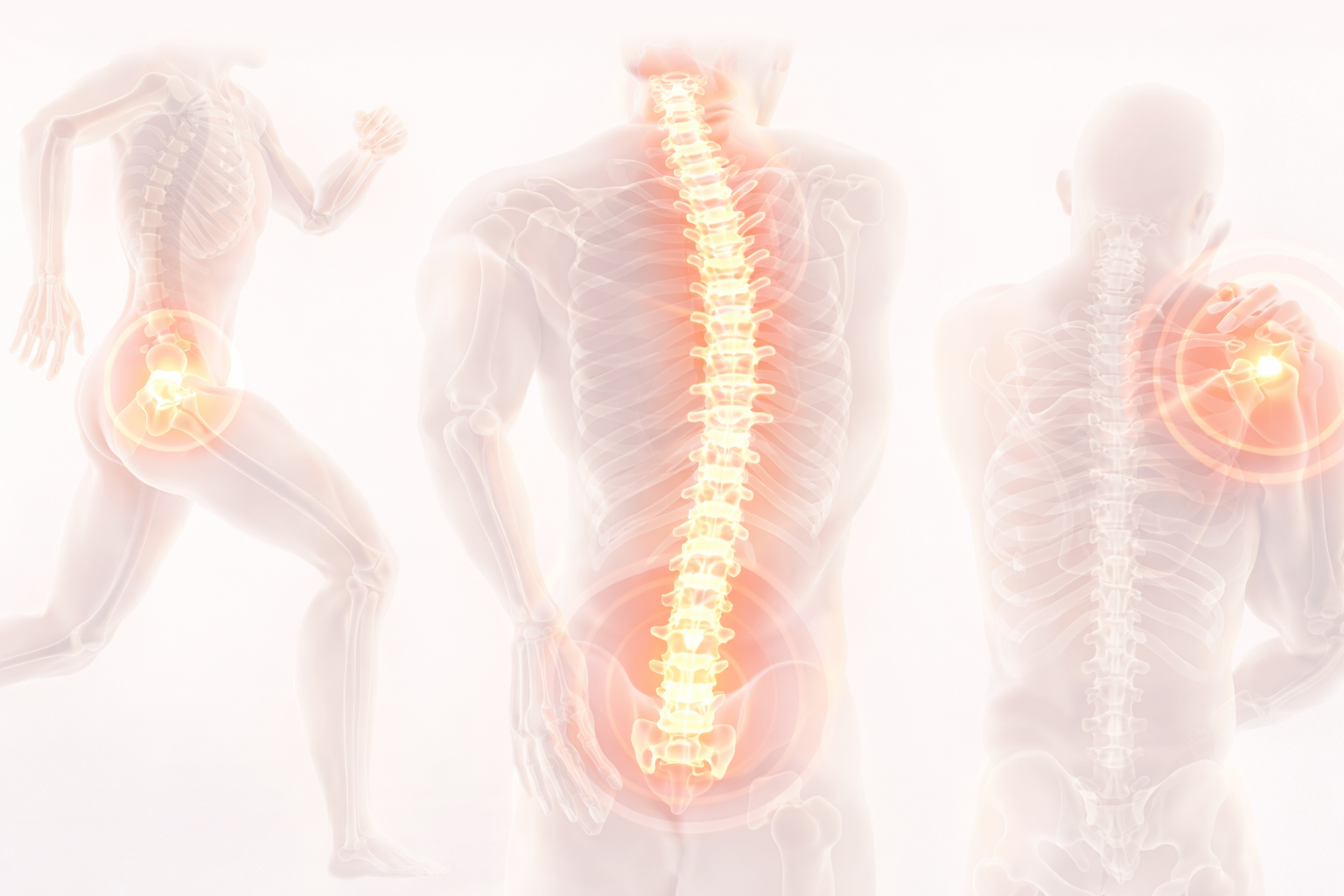
Pain management is a comprehensive approach using medications, physical therapies (exercise, heat/cold), psychological support (CBT, mindfulness, distraction), and lifestyle changes (sleep, nutrition) to reduce, relieve and prevent pain.
-
Migraine/headache pain management involves over-the-counter (OTC) meds (ibuprofen, aspirin, acetaminophen), prescription options (triptans, CGRP blockers), lifestyle changes (dark, quiet room, trigger avoidance), and alternative therapies (neuromodulation, massage) for acute relief, while prevention often uses prescription meds (beta-blockers, antidepressants) or preventative treatments like CGRP antibodies, always guided by a doctor to avoid medication overuse headaches.
-
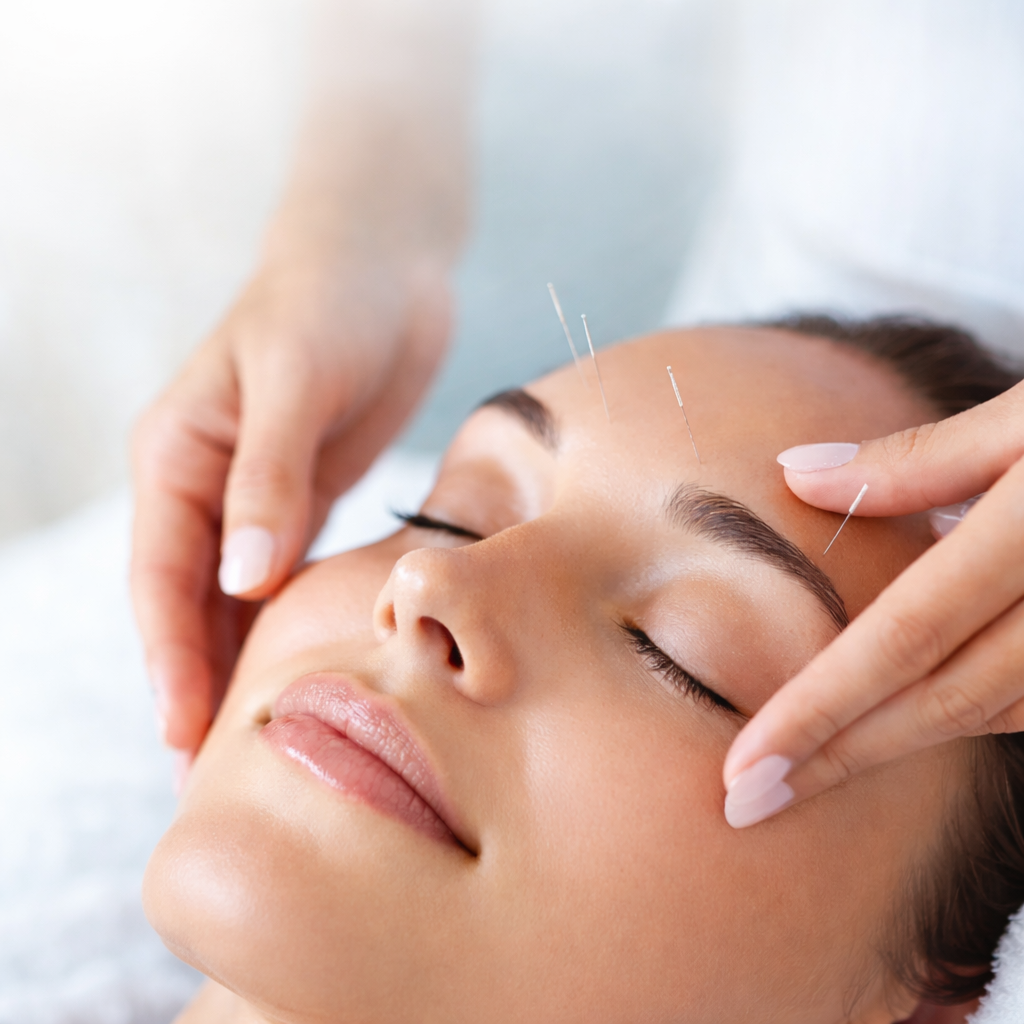
Back pain management involves a mix of self-care (staying active, heat/ice, OTC meds), therapies (PT, massage, acupuncture, spinal manipulation), and potentially stronger prescriptions or injections for persistent pain, focusing on movement over bed rest, with options like NSAIDs, muscle relaxants, nerve blocks, or even surgery for severe cases, always working with a doctor to find what addresses your specific pain.
-
To manage arthritis pain, use heat/cold, gentle exercise (like swimming/yoga), and assistive devices (canes, braces) for support; consider over-the-counter (OTC) topicals (capsaicin, NSAID gels) or prescriptions, practice stress relief (deep breathing, Tai Chi), and maintain a healthy weight to reduce joint stress, always balancing rest with gentle movement.
-
Fibromyalgia pain management involves a multi-faceted approach: medications (antidepressants like duloxetine, anti-seizure meds like pregabalin), regular gentle exercise (walking, swimming, yoga), stress reduction (meditation, therapy), good sleep hygiene, and complementary therapies like massage, acupuncture, and Tai Chi, all aimed at easing pain, improving sleep, and managing chronic symptoms through lifestyle adjustments and professional guidance.
-
Neck and shoulder pain management involves a mix of immediate relief (ice/heat, OTC meds), lifestyle changes (posture correction, stress relief, ergonomic adjustments), gentle movement (stretches, PT), and sometimes medical intervention (prescriptions, injections). Focus on alternating cold/heat, improving desk ergonomics, staying active with light movement, and managing stress to reduce tension.
-
Sciatica pain management involves a combination of at-home care (ice/heat, gentle movement, OTC pain relievers like NSAIDs), physical therapy (stretches, strengthening), and potentially medical interventions (prescription meds, steroid injections, chiropractic care, or acupuncture) for persistent pain, focusing on reducing inflammation, improving mobility, and relieving nerve pressure through core strength and proper posture.
Sleep Disorder
Sleep disorders disrupt normal sleep patterns, affecting sleep quality, timing, and amount, leading to daytime distress and impairment, with common types including insomnia, sleep apnea, narcolepsy, restless legs syndrome, and parasomnias, often linked to other health issues, lifestyle, or genetics. They can manifest as difficulty sleeping, excessive daytime sleepiness, or unusual behaviors during sleep, impacting overall mental and physical health, but are treatable.
-
Insomnia is a common sleep disorder making it hard to fall/stay asleep or wake too early, leading to daytime tiredness, irritability, focus issues, and poor quality of life, often triggered by stress, schedule changes, or health conditions, with short-term (weeks) and chronic (3+ months) forms, treatable with therapy (CBT-I) and good sleep habits (sleep hygiene) to improve sleep quality and daily functioning.
-
Difficulty falling asleep is the hallmark of Insomnia, the most common sleep disorder, characterized by trouble initiating or maintaining sleep, leading to daytime fatigue, mood issues, and poor focus, often caused by stress, habits, medical conditions, or other sleep disorders, treatable with good sleep hygiene, CBT-I, or medication, says this Mayo Clinic article and the National Institutes of Health (NIH). Other causes for sleep onset issues include Circadian Rhythm Disorders like Delayed Sleep Phase Syndrome (DSPS) and conditions like Restless Legs Syndrome (RLS).
-
Difficulty staying asleep is a hallmark of Insomnia, the most common sleep disorder, involving trouble maintaining sleep, waking too early, or poor quality sleep, leading to daytime fatigue, poor focus, mood issues, and impacting health. Other potential culprits include Sleep Apnea (breathing pauses), Restless Legs Syndrome (urge to move legs), Anxiety/Depression, or lifestyle factors like caffeine/alcohol, often requiring a doctor's visit to find the root cause and best treatment.
-
Waking up too early, especially with trouble falling back asleep, often signals Advanced Sleep Phase Disorder (ASPD), a circadian rhythm issue common in older adults where your internal clock is set too early, or Early Morning Awakening Insomnia, a type of insomnia tied to a shifted circadian rhythm. Other causes include anxiety, depression, sleep apnea, aging, or poor sleep hygiene. Treatments involve light therapy, Cognitive Behavioral Therapy for Insomnia (CBT-I), lifestyle changes (like limiting caffeine/alcohol, regular exercise), and addressing underlying conditions.